
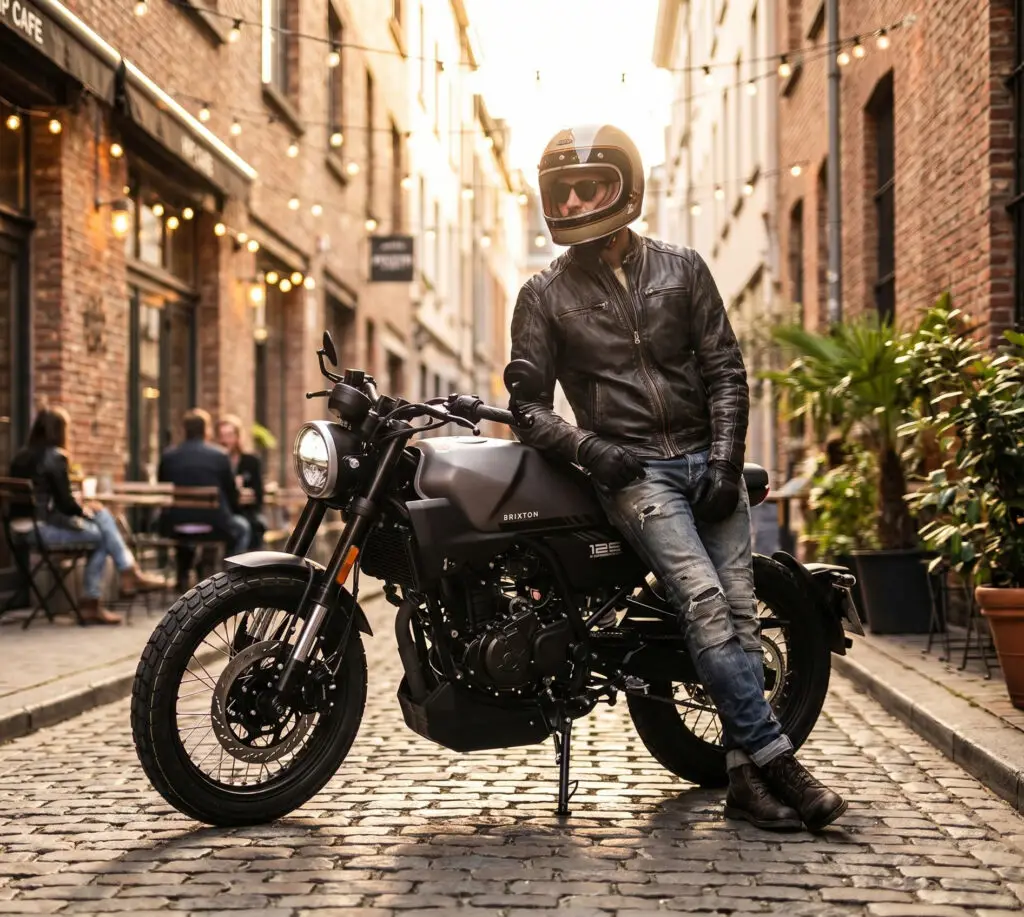
Brixton Crossfire 125 Review: The Full 125cc Comparison
If you’re hunting for a 125cc motorcycle in Europe, Brixton keeps showing up. Two models sit at the top of their 125cc range: the Crossfire 125 and the Crossfire 125 XS. Both carry the same badge. Both look the business. But they answer very different questions depending on what kind of rider you are and what you need from a bike.
The standard Crossfire 125 is the full-size option — liquid-cooled, 10 kW, proper 18-inch wheels, ABS brakes. It wants to be your real motorcycle, not just a stepping stone. The XS trims things back: air-cooled, 8.2 kW, 12-inch wheels, no ABS. It’s lighter, cheaper, and more city-friendly by design.
Which one actually makes sense for you? I broke down every meaningful difference between them. Here’s the full picture.
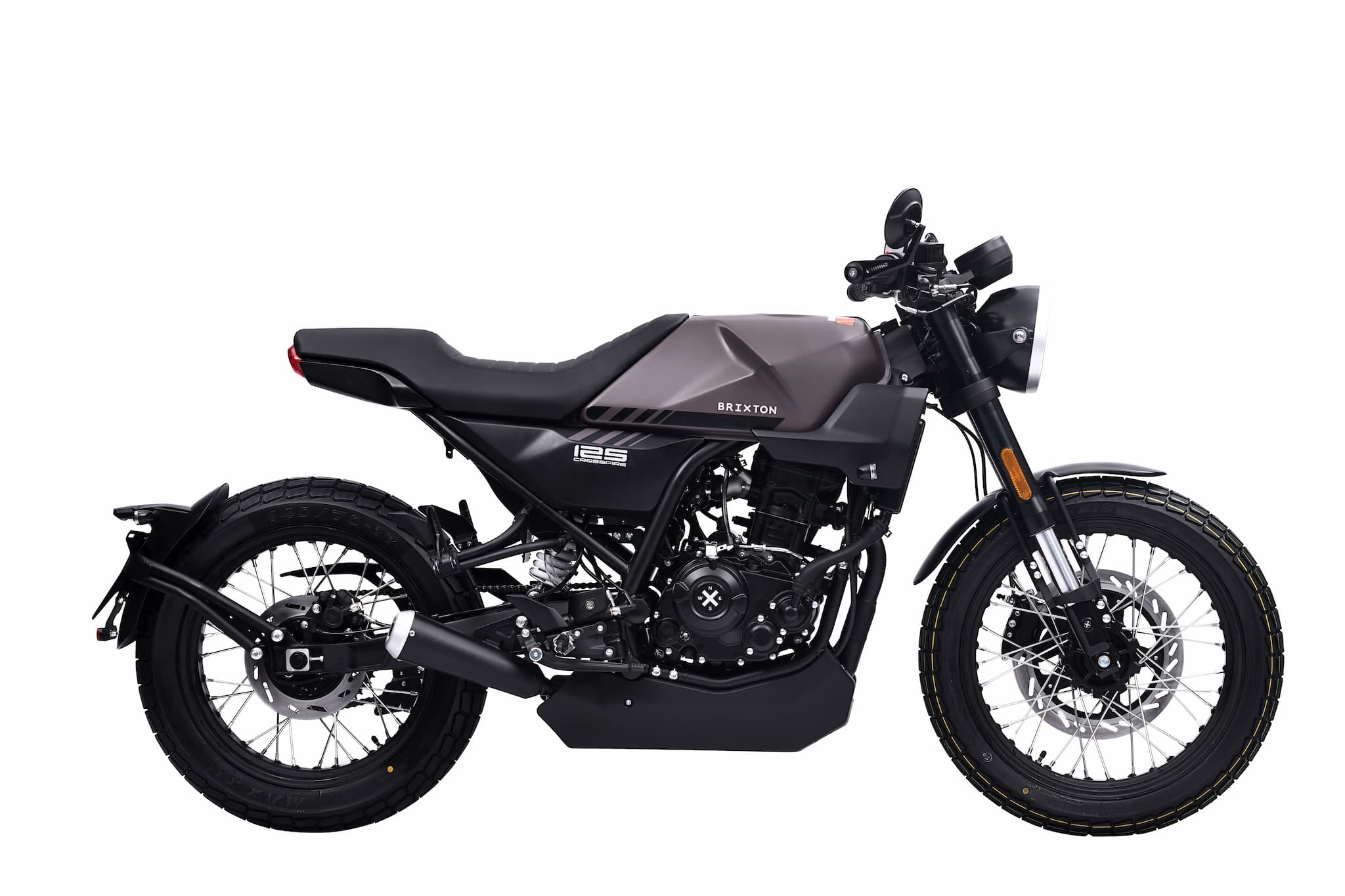
Brixton Crossfire 125 — The Flagship Sportster
Brixton Crossfire 125
This is Brixton’s no-compromise 125. The water-cooled single puts out 10 kW at 9,500 rpm and 11.4 Nm of torque at 7,500 rpm. It pulls harder at higher revs than the XS, and the six-speed gearbox gives you proper ratios for open-road riding. The 300 mm front disc with ABS means you can actually use your brakes hard without worrying about the wheel locking up. The 18-inch wheels and upside-down fork suspension give it genuine sporty handling. At 149 kg running order, it’s not light, but it feels planted and stable at speed. Top speed is around 99 km/h, and it handles motorway distances without feeling out of its depth.
Brixton Crossfire 125 XS — The Budget Entry Point
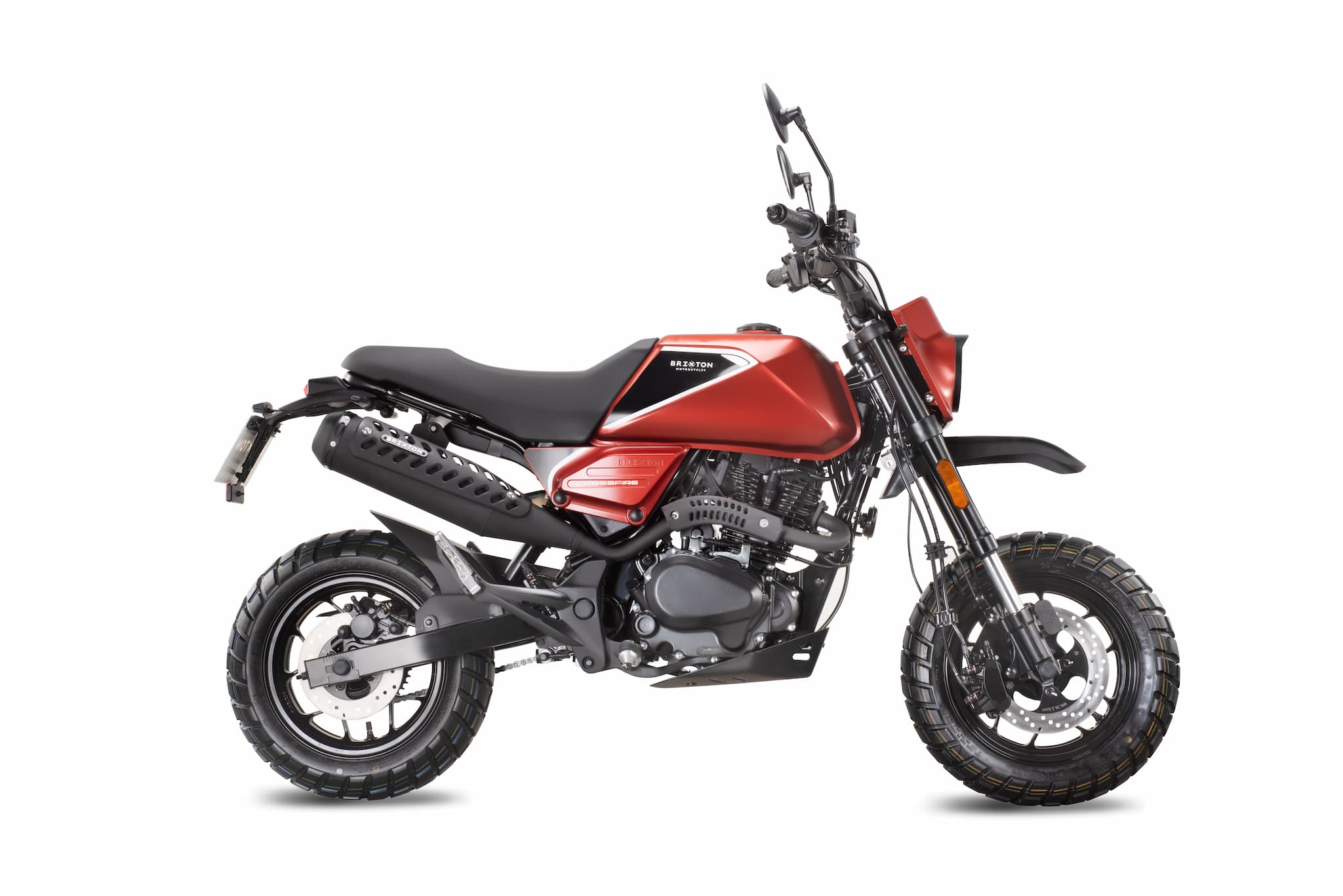
Brixton Crossfire 125 XS
The XS is the clever entry point. It keeps the café racer looks but swaps the water cooling for a simpler air-cooled setup. The 8.2 kW engine is less rev-hungry and more relaxed around town. The 12-inch wheels make it flickable and easy to thread through traffic and tight spaces. The combined brake system works fine but lacks the outright power of the big brother’s ABS setup. At 111 kg, it’s significantly lighter, which helps in slow-speed manoeuvres. The seat height is lower too, around 760 mm, which matters if you’re under 170 cm. It runs on RON 95 minimum fuel. Top speed sits around 95 km/h, and it genuinely feels at home in urban environments.
Crossfire 125 vs Crossfire 125 XS — Direct Comparison
| Spec | Crossfire 125 | Crossfire 125 XS |
|---|---|---|
| Price | €3,745 | €2,495 |
| Engine | 1 cyl, 4-stroke, water-cooled | Single cyl, 4-stroke, air-cooled |
| Power | 10 kW @ 9500 rpm | 8.2 kW @ 8500 rpm |
| Torque | 11.4 Nm @ 7500 rpm | 9.6 Nm @ 6500 rpm |
| Transmission | 6-speed manual | 5-speed manual |
| Front Brakes | Ø300 mm disc + ABS | Ø220 mm disc, combined |
| Rear Brakes | Ø218 mm disc + ABS | Ø190 mm disc, combined |
| Suspension Front | Upside-down shock absorber | Telescopic fork upside-down |
| Tyres Front | 120/70-18 | 120/70-12 |
| Tyres Rear | 140/70-17 | 130/70-12 |
| Weight | 149 kg | 111 kg |
| Top Speed | 99 km/h | 95 km/h |
| Seat Height | 810 mm | ~760 mm |
| Fuel | Standard unleaded | RON 95 minimum |
What to Know Before Buying
Licence: Both bikes fall under A1 category in Europe. You need an A1 licence or a car licence that has been held for at least two years (rules vary by country — check your local regulations before signing up for a course).
Fuel: The Crossfire 125 runs on standard unleaded. The XS specifically requires RON 95 minimum. If you’re in an area where premium fuel is harder to find, that’s worth noting before you buy.
Insurance: 125cc insurance is generally affordable, but costs vary based on your age, location, and riding experience. Get at least two quotes before committing to a bike. The XS being slightly slower and lighter may attract a marginally lower premium, but the difference is usually small.
Servicing: Brixton’s dealer network covers most of Europe. Service intervals for both bikes are in the 6,000–10,000 km range under normal riding conditions. The water-cooled 125 may have slightly higher servicing costs due to the coolant system and more complex brakes.
Who should buy the 125: If you plan to ride on faster roads, commute across towns, or just want the bike that does everything well — spend the extra €1,250. The water cooling, ABS, and six-speed box make a real difference once you’re out of the city.
Who should buy the XS: If your riding is mostly urban, you want the lightest option possible, or you’re newer to motorcycles and want something easy to manage at low speeds — the XS is the smarter buy. It keeps the style and most of the character at half the price difference.
Ready to see the full range? Browse all motorcycles at Motorock →